Arapaho National Forest spans over 1.5 million acres across the Colorado Rockies, covering gateway towns like Kremmling, Granby, Frisco, and Keystone - each offering a different base for exploring the forest. Staying centrally means you can reach trailheads, ski resorts, and fishing spots on the Colorado River without long drives. This guide breaks down the most practical hotel options near Arapaho National Forest so you can book with confidence.
What It's Like Staying Near Arapaho National Forest
Arapaho National Forest is one of Colorado's most accessible wilderness areas, with gateway towns spread along US-40 and I-70 offering direct entry points for hiking, skiing, snowshoeing, and fly fishing. Car travel is essential - public transport between towns is virtually nonexistent, and trailhead access almost always requires driving. Summer weekends from late June through August draw significant crowds to popular spots like Lake Granby and the Fraser Valley, while ski season from December to March fills up Keystone and Frisco rapidly.
Travelers who want immediate access to outdoor recreation without paying Breckenridge resort prices benefit most from staying in this corridor. Those seeking walkable urban amenities or night-life will find the towns here very small and quiet by design.
Pros:
- Direct access to over 700 miles of trails, ski resorts, and blue-ribbon fishing rivers without leaving the forest corridor
- Gateway towns like Granby and Kremmling offer significantly lower nightly rates than Breckenridge or Vail
- Year-round activity calendar - skiing in winter, hiking and cycling in summer, with minimal off-season gap
Cons:
- No meaningful public transportation - a rental car is non-negotiable for accessing most trailheads and resorts
- Dining and grocery options in Kremmling and Granby are limited; larger supermarkets require a drive to Frisco or Granby proper
- Peak-season room availability in ski towns like Keystone drops quickly, often weeks in advance
Why Choose a Centrally Located Hotel Near Arapaho National Forest
Centrally located hotels in the Arapaho National Forest corridor position you within driving reach of multiple recreation zones rather than locking you into a single resort base. In gateway towns like Granby and Kremmling, centrally located properties typically run around 40% cheaper per night than slope-side lodging in Keystone or Breckenridge, while still placing you within 30 minutes of ski lifts and trailheads. Room sizes in these properties tend to be more practical - think standard motel layouts with parking directly outside your door, which matters when you're loading ski gear or hiking equipment daily.
The trade-off is atmosphere: central hotels here prioritize function over luxury, with most lacking spa facilities or on-site restaurants. However, for travelers whose priority is time outdoors rather than time at the hotel, this efficiency is the main selling point.
Pros:
- Positioned between multiple ski resorts and recreation areas, reducing daily drive times significantly
- Free parking is standard across central properties in this corridor - critical when traveling with gear
- More flexible booking windows compared to resort-attached accommodations that sell out months ahead
Cons:
- Limited on-site amenities - most central hotels in this area do not offer pools, spas, or full-service restaurants
- Smaller towns mean fewer walkable options for dinner or evening activities once you return from the trails
- Wi-Fi and cell service can be inconsistent in some properties due to the mountainous terrain surrounding the towns
Practical Booking & Location Strategy for Arapaho National Forest
The four main gateway towns - Kremmling, Granby, Frisco, and Keystone - each serve a different traveler profile. Kremmling sits at the northwest edge of the forest along US-40 and is best for anglers targeting the Colorado and Blue rivers. Granby, positioned near the southern shore of Lake Granby, suits families and cyclists using the Fraser Valley trails. Frisco and Keystone, both on the I-70 corridor, give the fastest access to Summit County ski resorts including Breckenridge and Keystone Mountain, with Frisco's Main Street offering the best concentration of restaurants and shops in the region. Book at least 6 weeks ahead for ski season stays in Keystone or Frisco, as January and February weekends sell out well in advance. Summer hiking season in July and August also tightens availability. For shoulder-season visits - October or April - you'll find the widest room selection and the most competitive pricing across all four towns, often with the forest nearly to yourself on weekdays.
Best Value Stays
These properties offer the most practical base for outdoor-focused travelers, with free parking, straightforward amenities, and direct access to Arapaho National Forest gateway towns at competitive price points.
-
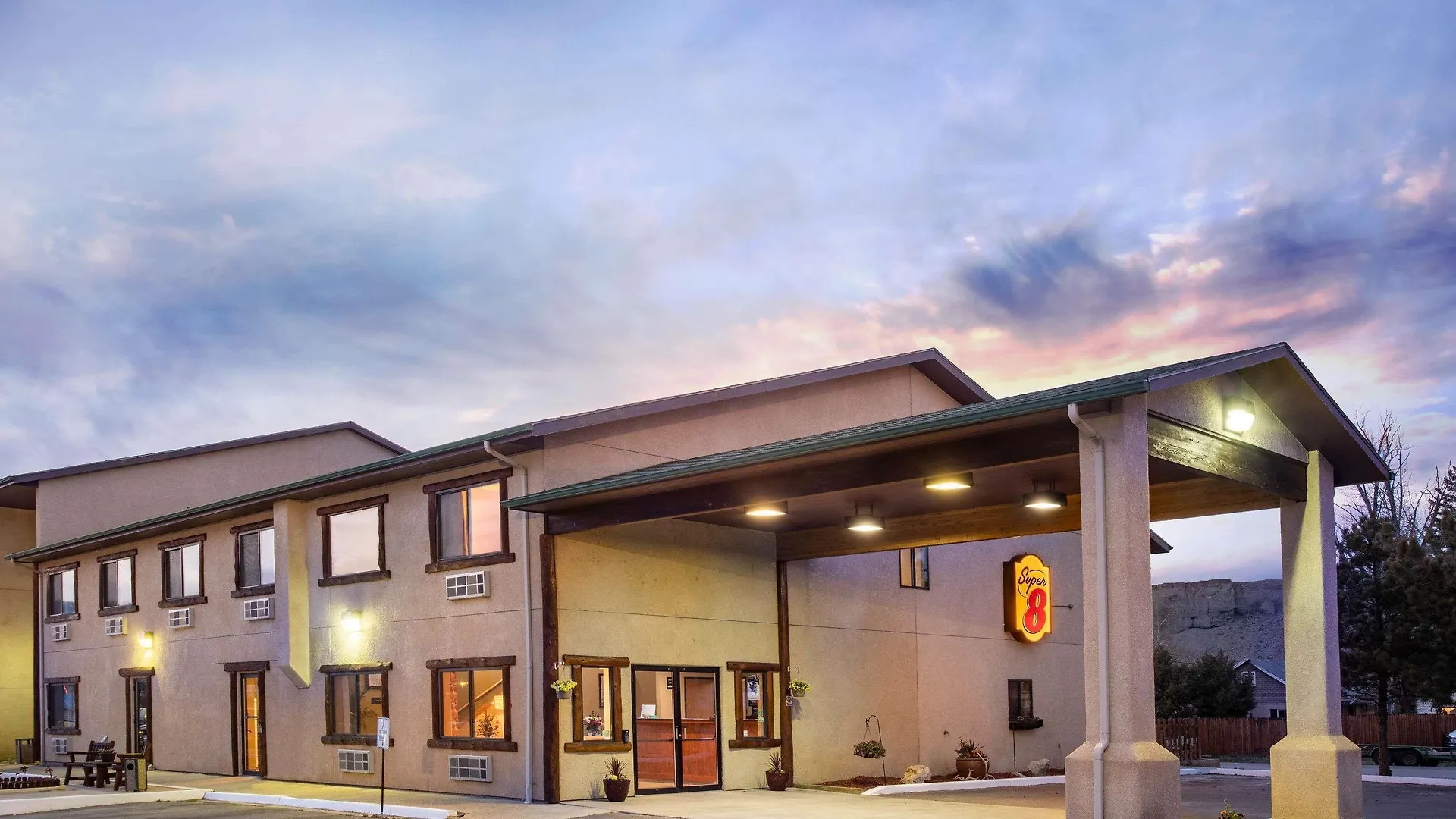
1. Super 8 By Wyndham Kremmling
Show on map


 Check-infrom 15:00 until 22:00Check-outuntil 11:00
Just a few rooms left at the best rate!
fromUS$ 89
-
2. Littletree Inn
Show on map


 Check-infrom 16:00 until 23:00Check-outfrom 08:00 until 10:00
Just a few rooms left at the best rate!
fromUS$ 75
Best Premium Stays
These properties are positioned in the Summit County corridor - Frisco and Keystone - offering stronger amenities, resort-area access, and higher-specification rooms for travelers prioritizing comfort alongside outdoor recreation.
-
3. The Grand Hotel, Ascend Hotel Collection
Show on map


 Check-infrom 15:00 until 23:59Check-outuntil 11:00
Hurry – almost gone at this price!
fromUS$ 88
-
4. East Keystone By Vail Resorts
Show on map


 Check-infrom 16:00 until 23:30Check-outuntil 10:00
Rooms filling fast – secure the best rate!
fromUS$ 275
Best Time to Visit and Booking Timing for Arapaho National Forest Hotels
Arapaho National Forest has two clear demand peaks: ski season from late December through March, and summer hiking season from late June through August. January and February see the highest room prices in Keystone and Frisco, with weekend availability disappearing weeks out. Granby and Kremmling remain softer in pricing through both peaks, typically running around 35% below Summit County rates even in high season. For summer visitors, July is the busiest month on the trails and at Lake Granby - book Littletree Inn or Super 8 Kremmling at least 3 weeks in advance if traveling on summer weekends.
The best-value windows are May (post-ski season, pre-summer), when most hotels drop rates significantly and trails are reopening, and late September through mid-October, when fall foliage along the Fraser Valley and around Lake Granby is at its peak with far fewer visitors than summer. Shoulder season in October offers the sharpest discounts and the quietest forest experience, particularly on weekdays. Last-minute booking works well only outside peak windows - for ski season or July 4th weekend, waiting is a costly strategy in this corridor.