Tennessee stretches from the Appalachian Mountains in the east to the Mississippi River in the west, covering vastly different landscapes and travel rhythms. Best Western hotels are spread across the state's secondary cities and gateway towns - giving travelers a consistent, reliable base without paying downtown Nashville or Knoxville resort prices. Whether you're heading to the Smokies, exploring the Highland Rim, or stopping mid-road trip on I-40, this guide covers exactly which property fits your route and budget.
What It's Like Staying in Tennessee
Tennessee is one of the most geographically diverse states in the South, with the Great Smoky Mountains drawing around 14 million visitors annually - making it the most visited national park in the country. The state runs on a car-centric rhythm: public transit is limited outside Nashville and Memphis, so having a hotel with free parking isn't a perk - it's a necessity. Road-trippers and nature-seekers benefit most from staying here, while travelers expecting walkable urban cores outside major cities may find the experience more suburban than expected.
Crowd patterns vary sharply by region. Eastern Tennessee near Gatlinburg and Townsend peaks hard in summer and fall foliage season (late September through October), while Middle Tennessee towns like Cookeville stay consistently manageable year-round. Free parking and free breakfast are standard expectations at mid-range hotels here, and most travelers plan accordingly.
Pros:
Tennessee's central location makes it an efficient base for reaching multiple states - Nashville sits within a day's drive of Atlanta, Louisville, and St. Louis
The state has no income tax and relatively low hotel taxes compared to coastal states, meaning your accommodation dollar stretches further
Outdoor attractions - from Cades Cove to Burgess Falls - are accessible from secondary cities without needing to stay in expensive gateway towns
Cons:
A car is non-negotiable outside Nashville; travelers without one will find most hotel locations impractical for sightseeing
Peak fall foliage season (October) inflates prices and traffic across eastern Tennessee significantly
Dining options near budget and mid-range hotels in smaller towns like McKenzie or Dayton are limited, especially late at night
Why Choose Best Western Hotels in Tennessee
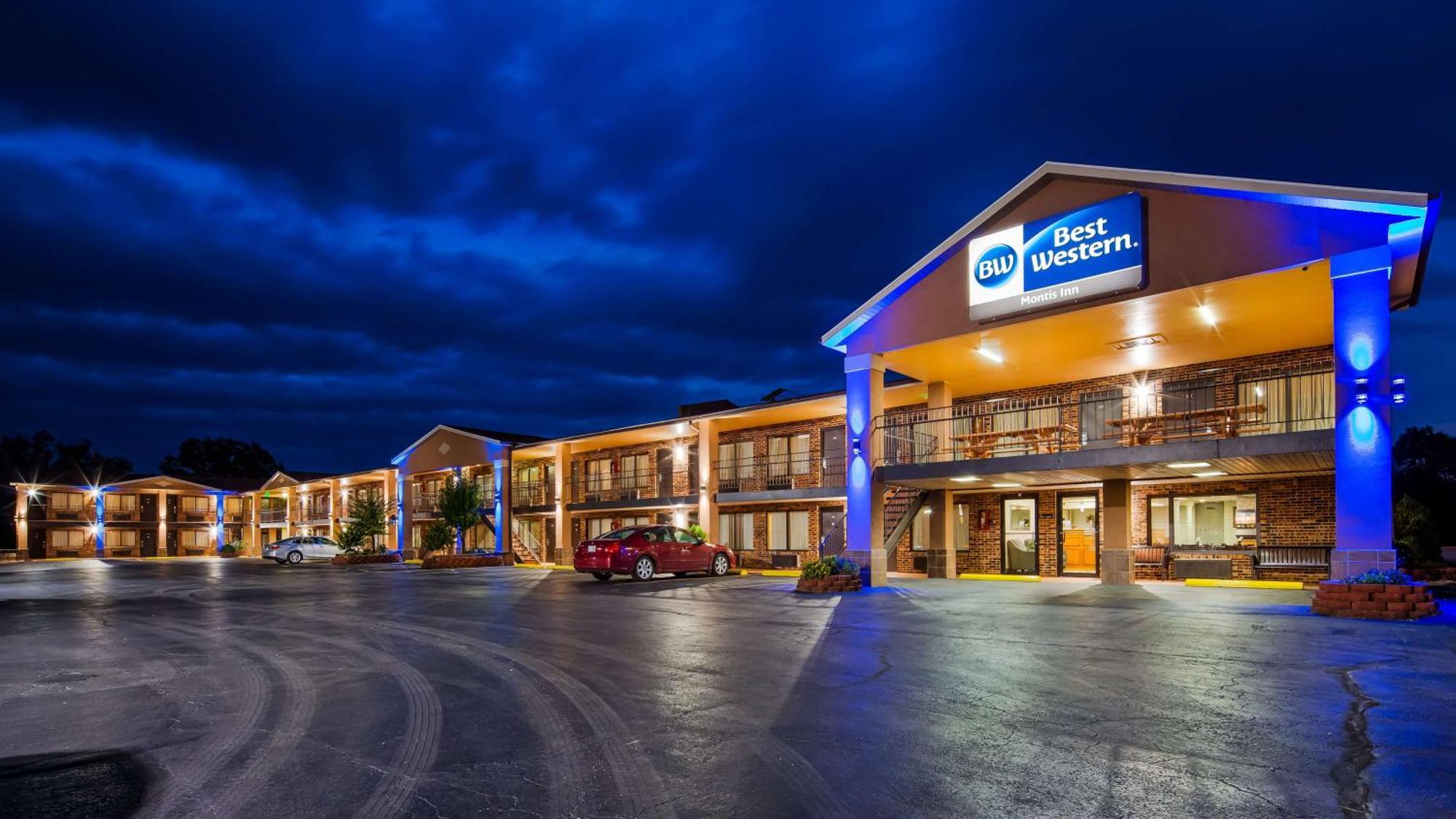
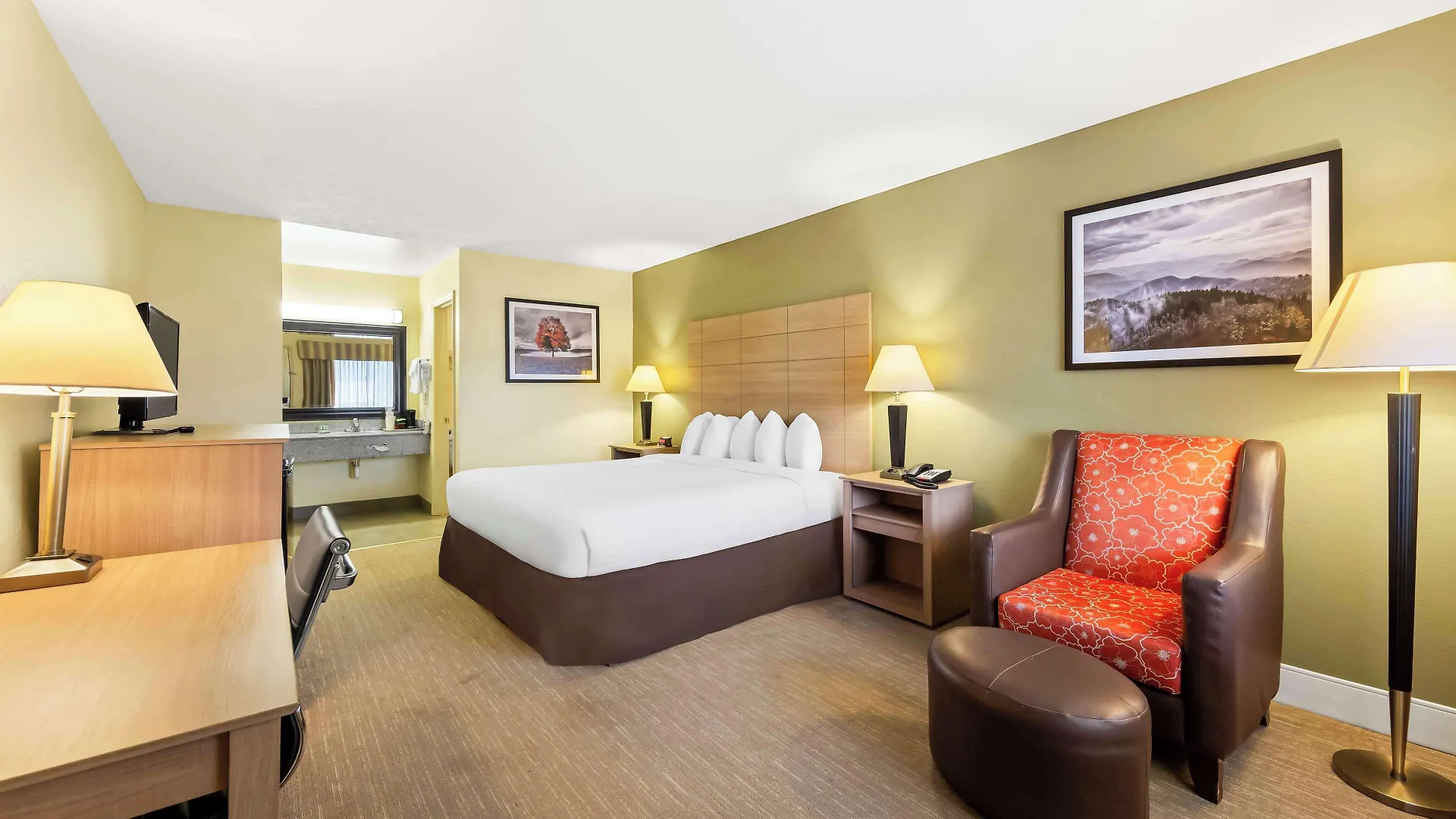
Best Western operates across Tennessee's secondary cities and near its major transportation corridors - which is precisely where the brand adds real value. These properties consistently offer free parking, free breakfast, and indoor or outdoor pools at price points well below comparable amenities at branded lifestyle hotels. In a state where driving is central to most itineraries, free parking at every location eliminates a recurring cost that adds up fast. Rooms are practical rather than design-forward, typically featuring microwaves, mini-fridges, and desks - suited for families, business travelers, and road-trippers rather than luxury seekers.
Compared to independent motels in the same corridors, Best Western properties offer more predictable quality standards and loyalty program benefits. Across Tennessee locations, rates average around 20% less than equivalent Marriott or Hilton-branded properties in the same towns, while delivering similar core amenities. Families and multi-night road-trippers get the most from these hotels - though travelers seeking boutique design, rooftop bars, or fine dining will need to look elsewhere.
Pros:
Free hot or continental breakfast is included at all five Tennessee locations - a real daily saving for families
Indoor pools at multiple locations (Dayton, Alcoa) provide year-round recreational use regardless of weather
Free airport shuttle at the Alcoa/Knoxville Airport location removes the need for a taxi or rideshare on arrival
Cons:
Rooms are functional rather than stylish - not suited to travelers prioritizing design or premium finishes
Most properties are located in suburban or highway-adjacent settings with limited walkability
Fitness centers, where available, are basic - serious gym users will find them insufficient
Practical Booking & Area Strategy in Tennessee
Tennessee's geography should drive your hotel choice before price does. If you're visiting the Great Smoky Mountains National Park, Townsend is a quieter and less congested alternative to Gatlinburg - the Best Western Cades Cove Inn sits just 2 miles from the park entrance, cutting out the traffic bottleneck that plagues the Pigeon Forge corridor. For air travelers landing at McGhee Tyson Airport near Knoxville, the Alcoa Best Western is steps from the terminal with a free shuttle, making it the most logical first or last night of any eastern Tennessee trip.
Cookeville, positioned directly on Interstate 40 between Nashville and Knoxville, works well as a mid-journey stop - the Best Western Thunderbird is a 6-minute walk from Cookeville Mall and under 5 km from Burgess Falls State Park, one of Tennessee's most underrated natural attractions. McKenzie in western Tennessee is a practical overnight if you're heading toward Land Between the Lakes or crossing into Kentucky. Book at least 6 weeks ahead for any October travel in eastern Tennessee, as fall foliage demand fills mid-range properties fast across the region.
Best Value Stays
These properties deliver the strongest practical value for travelers prioritizing location access, included amenities, and straightforward functionality across Tennessee's secondary cities.
-
1. Best Western Dayton
Show on map


 Check-infrom 15:00 until 23:59Check-outuntil 11:00
Just a few rooms left at the best rate!
fromUS$ 114
-
2. Best Western - Mckenzie
Show on map


 Check-infrom 15:00 until 23:59Check-outuntil 11:00
Just a few rooms left at the best rate!
fromUS$ 74
-
3. Best Western Thunderbird Motel
Show on map


 Check-infrom 15:00 until 23:59Check-outuntil 11:00
Hurry – almost gone at this price!
fromUS$ 80
Best Premium Options
These two properties offer enhanced location advantages - direct airport access and national park proximity - that justify their positioning for travelers with specific logistical or recreational priorities.
-
4. Best Western Knoxville Airport / Alcoa, Tn
Show on map


 Check-infrom 15:00 until 23:59Check-outuntil 11:00
Hurry – almost gone at this price!
fromUS$ 87
-
5. Best Western Cades Cove Inn
Show on map


 Check-infrom 15:00 until 23:59Check-outuntil 11:00
Rooms filling fast – secure the best rate!
fromUS$ 99
Smart Travel & Timing Advice for Tennessee
Tennessee's peak travel windows split cleanly by region. Eastern Tennessee - including the Smokies corridor and Townsend - sees its busiest period from late June through August and again during October's fall foliage season. October is the single most congested month across the Gatlinburg-to-Townsend stretch, with hotel rates climbing and availability at the Best Western Cades Cove Inn tightening weeks in advance. Book at least 8 weeks out if your trip falls in this window.
Middle and western Tennessee operate on a more forgiving calendar. Cookeville, Dayton, and McKenzie see moderate visitor volumes with no single peak month that dramatically affects pricing. Spring (April through May) offers the best balance of mild weather, lower rates, and accessible trails at Burgess Falls and the surrounding Highland Rim parks. Two to three nights is the practical minimum for eastern Tennessee to properly explore the national park; one night works efficiently for I-40 corridor stops in Cookeville. Last-minute bookings in January or February can yield genuine discounts at all five locations, but weather on mountain approaches can be unpredictable in those months.